
Have you ever heard of cooking on a Himalayan salt block? Well, cooking on a salt block is something that feels both ancient and modern at the same time. Ancient because ancient people used natural ways to cook so that was one of the ways. And modern because now a days, people are becoming more healthy freaks, so they are going for a natural way of cooking.
If you are new to this method, don’t worry, it’s far less complicated than it looks or sounds. You just need to know about the right technique, and you can use it and of course with time you’ll be a pro on cooking on it. For your ease, we have come up with this blog where you can learn each and everything that you need to know for cooking on a Himalayan salt slab or block. So, let’s start it:
What Is a Himalayan Salt Block?
Basically, a Himalayan salt block (also known as a salt slab) is a thick, flat piece of natural pink salt cut from salt mines in Pakistan. When this slab is heated, it can gently season the food with a mild salty flavor and so it doesn’t require additional salt in most cases.
Why Cook on a Salt Block?
Before diving into the process, you need to know what makes salt block cooking so appealing and why people are switching to cooking on salt blocks. So. Here are the few reasons that encourage you to cook on a salt block:
- Natural flavour enhancement: Adds a subtle, balanced saltiness
- Even heat distribution: Ideal for searing meats and vegetables
- Versatility: Can be used hot for cooking or cold for serving
- Visual appeal: Creates an impressive presentation for guests
Choosing the Right Salt Block:
Selecting a good-quality salt block is essential, especially for beginners. Most people don’t know how to choose the right block for cooking.
Look for:
- A thickness of at least 1.5 to 2 inches
- Smooth, crack-free surface
- Even edges without deep fractures
A thicker block is more durable and less likely to crack during heating.
Preparing Your Salt Block
The most important step is preparing your salt block that means its gradual heating. Salt blocks are sensitive to sudden temperature changes, so patience is key. Here is the complete step-by-step guide for the heating process.
Step-by-step heating process:
- First, place the salt block on a cold stovetop, grill, or oven
- Then turn the heat to low and leave it for about 15 minutes
- Increase to medium heat for another 15 minutes
- Finally, raise to high heat for 10–15 minutes
This gradual process prevents cracking and ensures even heating.
Cooking on the Salt Block
Once your block is fully heated, you’re ready to cook. Here are some food ideas that you can cook if you are beginner
Best foods for beginners:
- Thin cuts of steak
- Shrimp and fish fillets
- Sliced vegetables (zucchini, mushrooms, peppers)
- Eggs and pancakes
Cooking tips:
- Lightly oil your food—not the block
- Avoid over-salting (the block already seasons the food)
- Cook smaller portions first to get comfortable
- Use tongs or a spatula for easy handling
You’ll hear a satisfying sizzle when the food hits the surface—that’s exactly what you want.
Using the Salt Block Cold
Salt blocks aren’t just for hot cooking. You can also chill them in the refrigerator and use them for serving:
- Fresh fruits
- Sushi
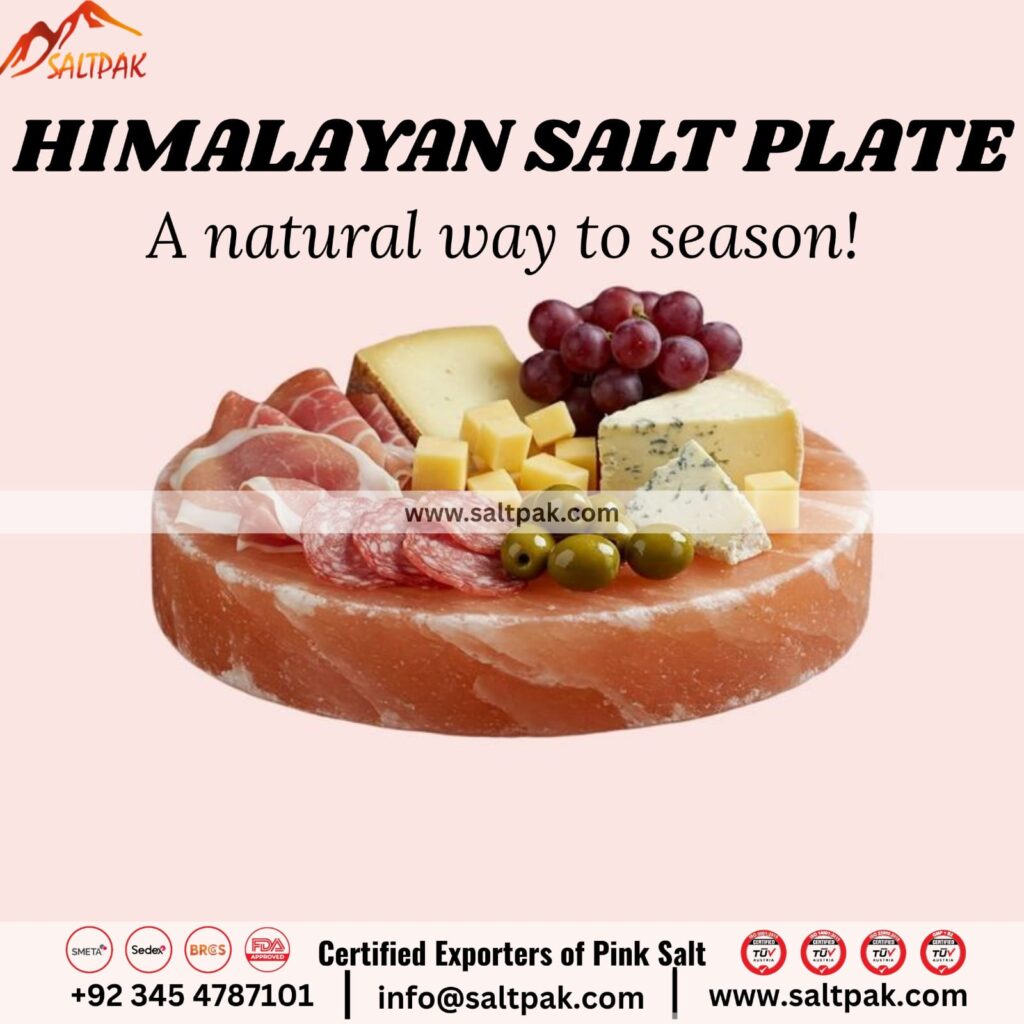
- Cheese platters
- Desserts
The cool surface keeps food fresh while adding a slight mineral touch.
Cleaning and Maintenance
Taking care of your salt block properly will extend its life. It’s cleaning and maintenance is important, here are the cleaning steps of it
Cleaning steps:
- Let the block cool completely
- Wipe with a damp cloth or sponge
- Avoid soap (it gets absorbed into the salt)
- Do not submerge in water
Over time, your block may develop cracks or maybe it changes its colour, So, this is absolutely normal and part of its natural character.
Common Mistakes to Avoid
Beginners often run into a few avoidable issues:
- Heating too quickly: Causes cracks or breakage
- Using too much moisture: Can weaken the block
- Overcooking food: Salt intensifies with longer cooking
- Skipping preheating: Leads to uneven cooking
A little patience goes a long way with salt block cooking.
Safety Tips
Of course, safety should be the priority here are some safety tips for you guys.
- Always place the block on a heat-safe surface
- Use protective gloves when handling
- Keep away from water while hot
- Never move the block while it’s heating
Salt blocks retain heat for a long time, so handle them carefully even after cooking.
If you want a sustainable and good quality Himalayan salt cooking block, we have an amazing, certified exporter that can provide you with lots of tips and information.