
In a professional kitchen, it’s all about making a dish unforgettable. Sometimes that comes down to a new technique, and sometimes it’s as simple as changing how you plate it. That’s exactly why Himalayan salt blocks and plates have caught on with chefs.
Carved from natural Himalayan pink salt, these solid slabs are more than just a pretty way to serve food. You can chill them, heat them, and with a bit of care, you can actually cook on them too. And that soft natural pink tone? It instantly makes any dish look more striking — whether you’re plating in a restaurant, a hotel, a catering setup, or at home.
So what is it that makes Himalayan salt blocks and plates such a favorite among chefs?Let’s break it down.
What Are Himalayan Salt Blocks and Plates?
Himalayan salt blocks and plates are solid slabs cut straight from natural rock salt deposits. You’ll find them in all sorts of sizes and thicknesses, depending on what you want to use them for.
People often use the two names like they mean the same thing, but there is a real difference.
SALT BLOCKS: Salt blocks are usually the thicker ones. That extra thickness is what lets them handle high heat — they soak up heat slowly and spread it evenly, so they’re great for actual cooking.
SALT PLATES: Salt plates are typically thinner. Most often they’re used for serving and presentation, or for chilling and serving cold foods. Some of the better-made ones can handle cooking too, but only if they’re specifically built for it.
At the end of the day, what you can do with it comes down to how thick it is, how it’s made, and what the manufacturer recommends.
1. They Add a Distinctive Salty Flavour
One of the biggest reasons chefs love cooking and serving on Himalayan salt is the flavor.
When food touches the salt block, just a touch of salt transfers onto the surface. It gives you a light, natural saltiness without having to heavily season the whole dish.
How much salt you actually get depends on a few things:
- How long the food sits on the block
- How much moisture is in the food
- How hot or cold the block is
- The thickness and condition of the salt surface
- What kind of ingredient you’re working with
That’s what makes salt blocks so useful — especially for dishes where you want to keep the seasoning clean and simple, and let the ingredient itself shine.
2. They Are Useful for Cooking
A good quality Himalayan salt block can be heated slowly and used as an actual cooking surface.
Chefs use them for things like:
- Seafood
- Thin cuts of meat
- Vegetables
- Mushrooms
- Eggs
- Tofu
- Small appetizers and bites
The block holds onto heat and cooks the food directly on its surface. It makes for a really different cooking experience, and gives chefs another way to control how something is cooked.
That said, you can’t treat a salt block like a regular pan. It needs to be heated up gradually and evenly — if you blast it with sudden high heat, it can crack.
3. They Can Be Used for Chilled Foods Too
Himalayan salt plates aren’t just for hot dishes.
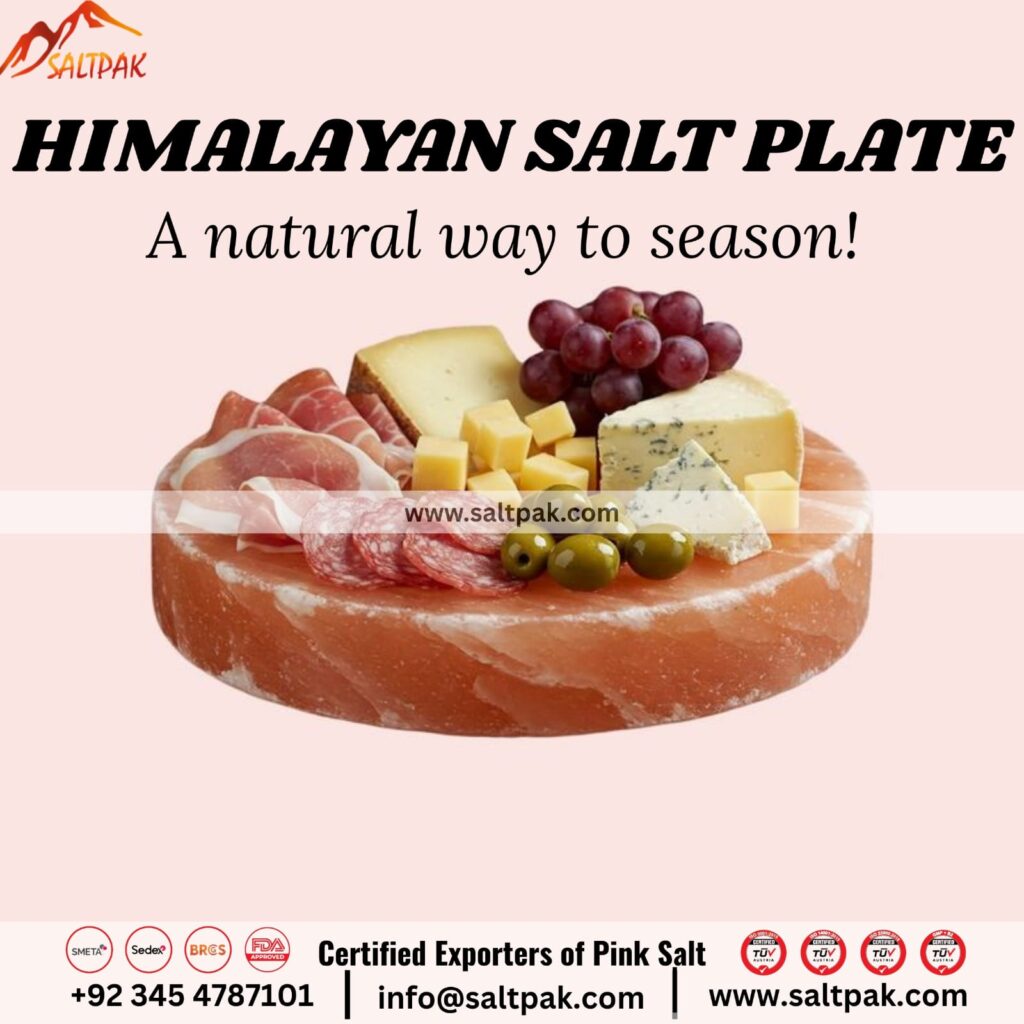
Chill one down and it becomes a beautiful serving plate for sushi, sashimi, fresh fruit, cheese, and small appetizers. The cold surface looks great on the table, and as the food rests on it, it picks up just a hint of that subtle saltiness.
That ability to go both hot and cold is a big part of why chefs like experimenting with them — you get a new way to cook, and a striking new way to present.
4. They Make Food Look More Attractive
In modern dining, presentation matters — a lot.
Before a guest even takes a bite, they see the plate. And a natural pink Himalayan salt block can instantly make a simple dish stand out from something served on a plain white ceramic plate.
It’s that mix of soft pink tones, natural texture, and carefully placed ingredients that makes the whole dish more eye-catching.
Chefs use salt plates for all kinds of things:
- Starters
- Seafood
- Desserts
- Cheese boards
- Appetizers
- Fresh fruit
- Grilled foods
- Tasting menus
For restaurants, there’s another bonus too — dishes served on salt blocks just photograph better, which makes them naturally more shareable on social media.
5. They Offer an Alternative Serving Surface
Not every salt plate needs to be used for cooking.
In many cases, chefs use them simply as serving pieces. A chilled salt plate, for example, can provide an attractive surface for a selection of cheese or seafood.
Similarly, a warm plate can be used to present certain appetisers or cooked foods.
This gives chefs more flexibility when designing a dining experience.
6. Salt Blocks Can Retain Heat
One of the best things about a thick salt block is how long it holds heat once it’s properly warmed.
That means your food stays warm for a while even after you’ve taken it off the main heat.
For restaurants, that’s a huge plus — you can bring a dish straight to the table still sizzling, or create a more interactive experience for the guest.
The block isn’t just something you cook on behind the scenes. It becomes part of the show.
7. They Create an Interactive Dining Experience
These days, dining out is about more than just the food.
When a dish arrives on a Himalayan salt block, people get curious. How was it cooked? Does the salt change the flavor? Can you actually reuse the block?
Some restaurants lean into that curiosity and use the salt block right at the table — finishing the dish or serving it directly on the heated surface in front of the guests.
It takes an ordinary meal and turns it into something people actually remember and talk about afterwards.
8. They Work Well with Different Types of Food
Another reason chefs love salt blocks and plates is how versatile they are.
- Seafood:
Fish, prawns, scallops and other seafood work especially well on salt. That light, natural saltiness pairs perfectly with seafood without needing a lot of extra seasoning.
- Meat:
Thin cuts of beef, chicken and other meats can be cooked right on a properly heated salt block. You get direct, even heat and a little seasoning all at once.
- Vegetables:
Things like zucchini, mushrooms, peppers and asparagus are great on a salt block too — simple to cook, but the presentation feels instantly more special.
- Cheese:
Chilled salt plates make a stunning base for a cheese board, especially when you add fruit, nuts and crackers around it.
- Desserts:
Salt and sweet work surprisingly well together. Small desserts, chocolate bites and fresh fruit look and taste amazing when served on a chilled salt plate — it’s an unexpected little finish that guests remember.
9. They Suit Restaurant Presentation
For chefs, how a dish looks is part of a restaurant’s identity.
A distinctive way of serving can make a dish instantly recognizable. Himalayan salt blocks have that natural, rustic look that works beautifully whether your restaurant is modern, traditional, or focused on natural, earthy ingredients.
They’re also perfect for tasting menus, where chefs want each course to feel different. A salt plate gives you an easy way to change up the presentation from one course to the next without overcomplicating things.
10. They Are Reusable When Properly Maintained
A Himalayan salt block is not necessarily a single-use cooking accessory.
With appropriate care, a quality salt block can be reused several times. Its lifespan depends on factors such as how frequently it is used, the cooking temperature, moisture exposure and cleaning method.
One of the most important rules is to avoid soaking the block in water.
Because salt dissolves in water, prolonged exposure can gradually wear down the surface.
Instead, chefs generally allow the block to cool completely before gently cleaning its surface according to the manufacturer’s instructions.
How Chefs Use Himalayan Salt Blocks and Plates Safely
Even though they’re a natural product, Himalayan salt blocks still need to be handled with care.
- Heat Slowly:
Never put a cold salt block straight onto blazing heat. Bring the temperature up gradually — that slow heating is what keeps it from cracking.
- Avoid Thermal Shock:
The same goes for cooling it down. Don’t take a screaming-hot block and set it on a cold or wet surface. That sudden change can damage it fast.
- Keep it dry:
Water and salt don’t mix well. Too much moisture can actually dissolve the salt and weaken the block over time.
- Skip the soap — unless the maker says it’s okay:
Salt is naturally antimicrobial, but that doesn’t mean the block cleans itself. Always follow the manufacturer’s cleaning instructions instead of guessing.
- Check it before you cook:
Give the block a quick look-over before each use. If you see deep cracks, big chips, or other serious damage, it’s probably not safe for high-heat cooking anymore.
Himalayan Salt Blocks vs Ordinary Cooking Surfaces
The real difference isn’t just what they’re made of — it’s the whole experience.
A regular metal pan is built for one job: to cook efficiently. A Himalayan salt block does more than that in one piece — it can cook the food, season it lightly, and present it beautifully.
That’s why it’s so appealing for chefs who like to experiment with both flavor and presentation.
Of course, they do need a little more care than your everyday pan. They’re not right for every recipe, so it’s best to use them for what they’re actually designed for.
Why Himalayan Salt Blocks and Plates Are Popular with Modern Chefs
The appeal really comes down to this: they’re both functional and beautiful.
They can add a light, natural saltiness, work as an alternative cooking surface, hold heat for a long time, stay cold for chilled serving, and make any dish look instantly more distinctive with that natural pink tone.
For chefs, that opens up a lot of room to play.
A grilled appetizer can come out sizzling on a warm salt block. Seafood can be served on a chilled plate. A cheese board looks completely different on a soft pink surface. Even a simple dessert feels more special when it’s served on something this natural and unexpected.
What you do with it really just comes down to your creativity — and the type of salt block or plate you’re using.